Blogafly photography
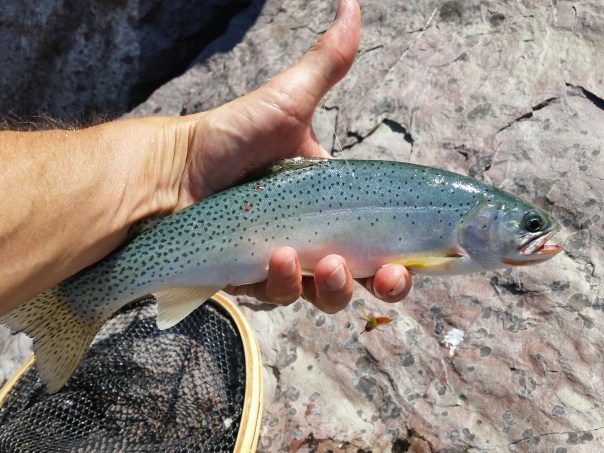
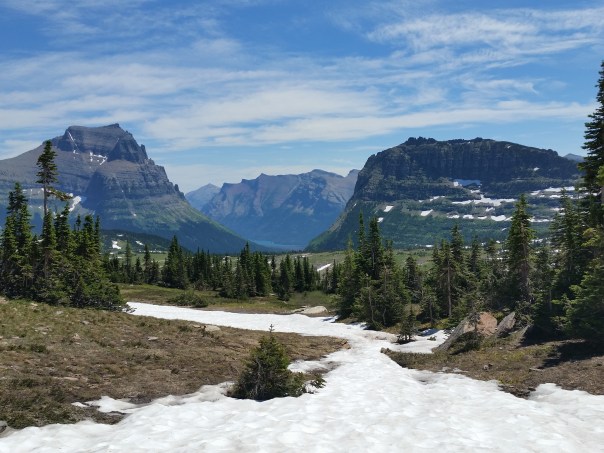
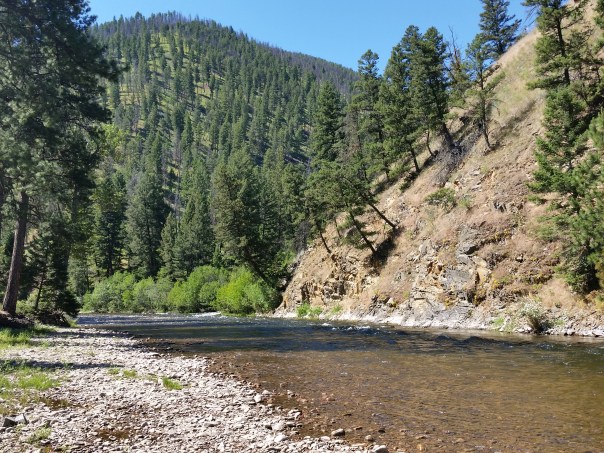
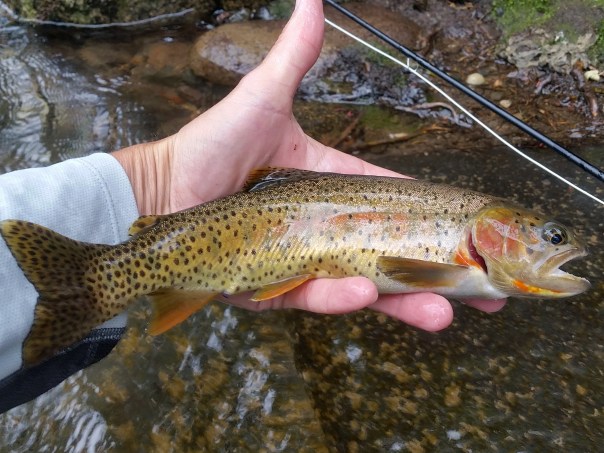
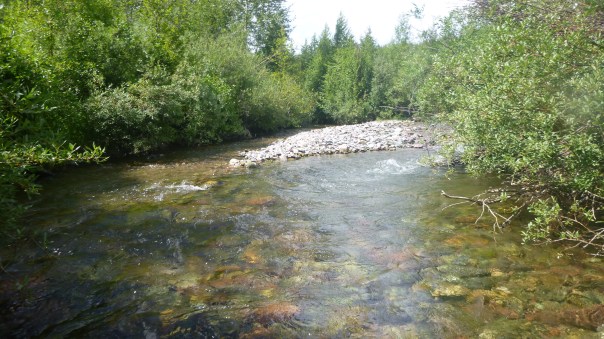


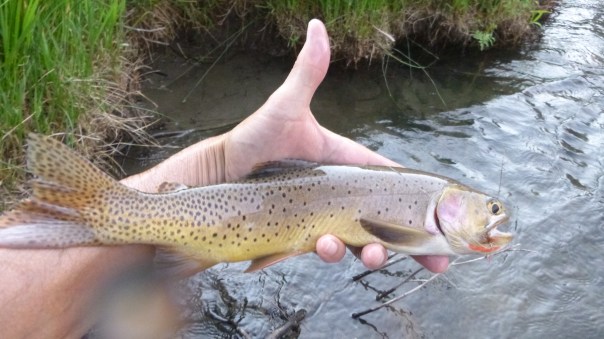

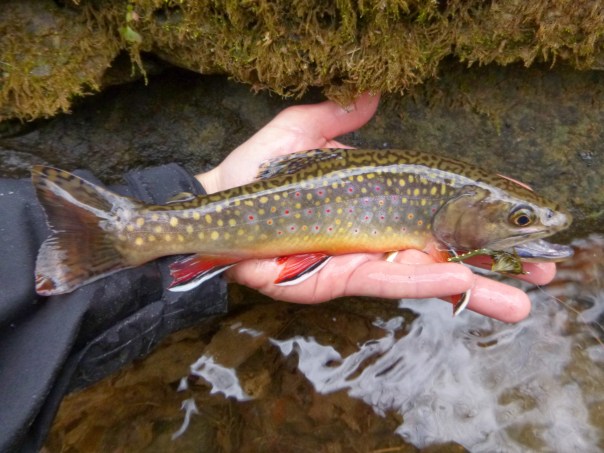
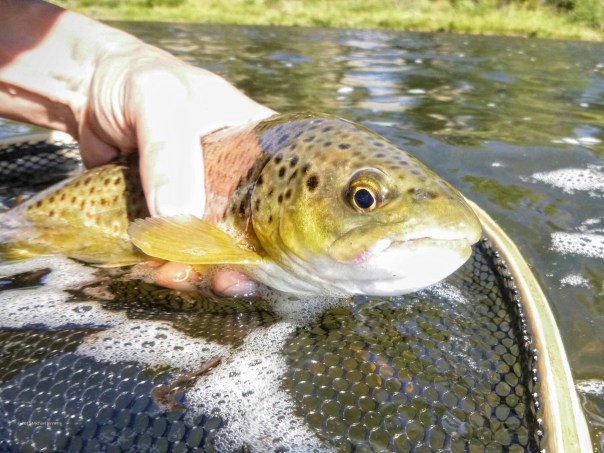 Enjoy the photography of Blogafly:
Homeslick
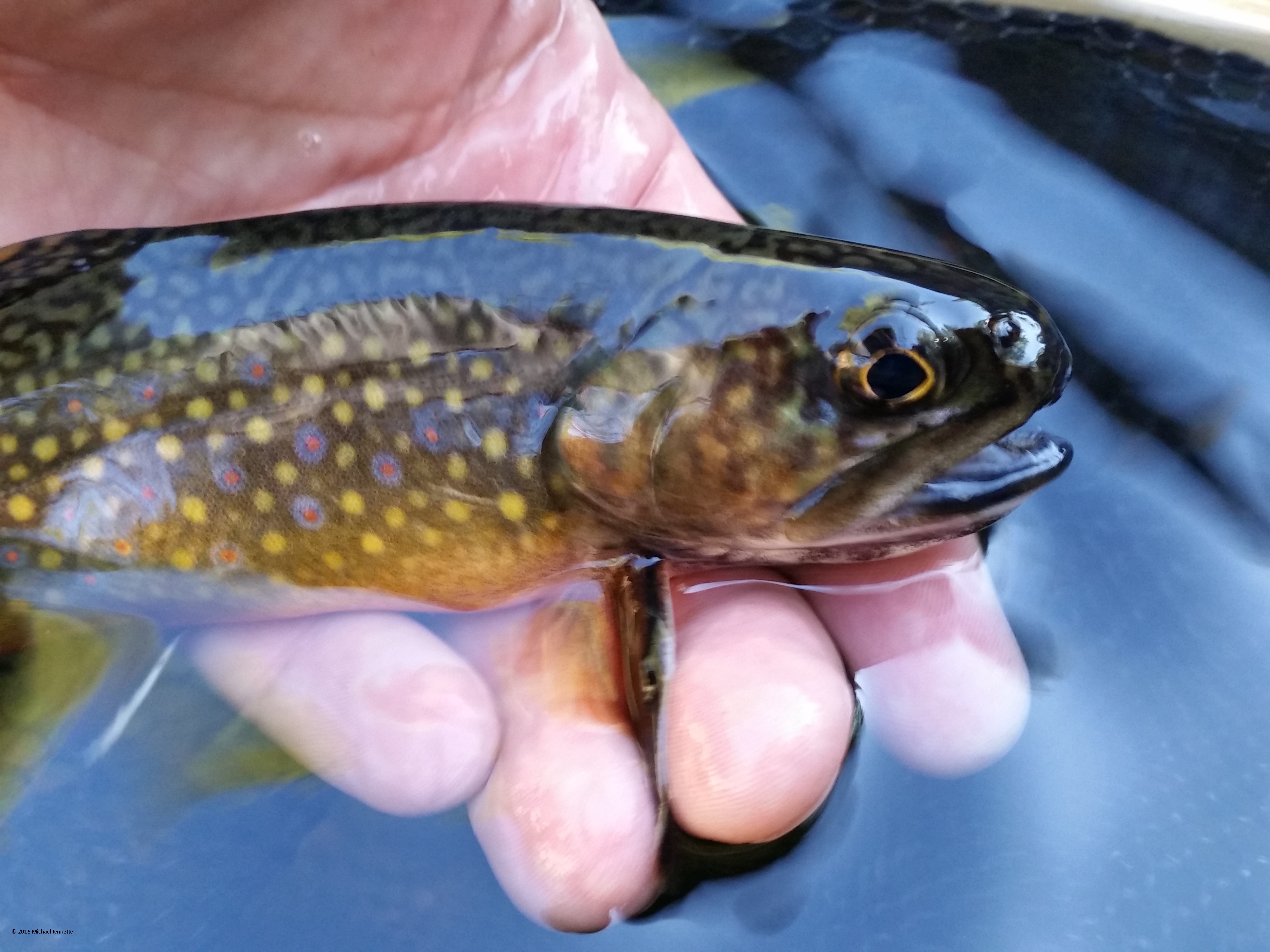
Fintastic

Coldcutt

Hypnosis on the Arkansas
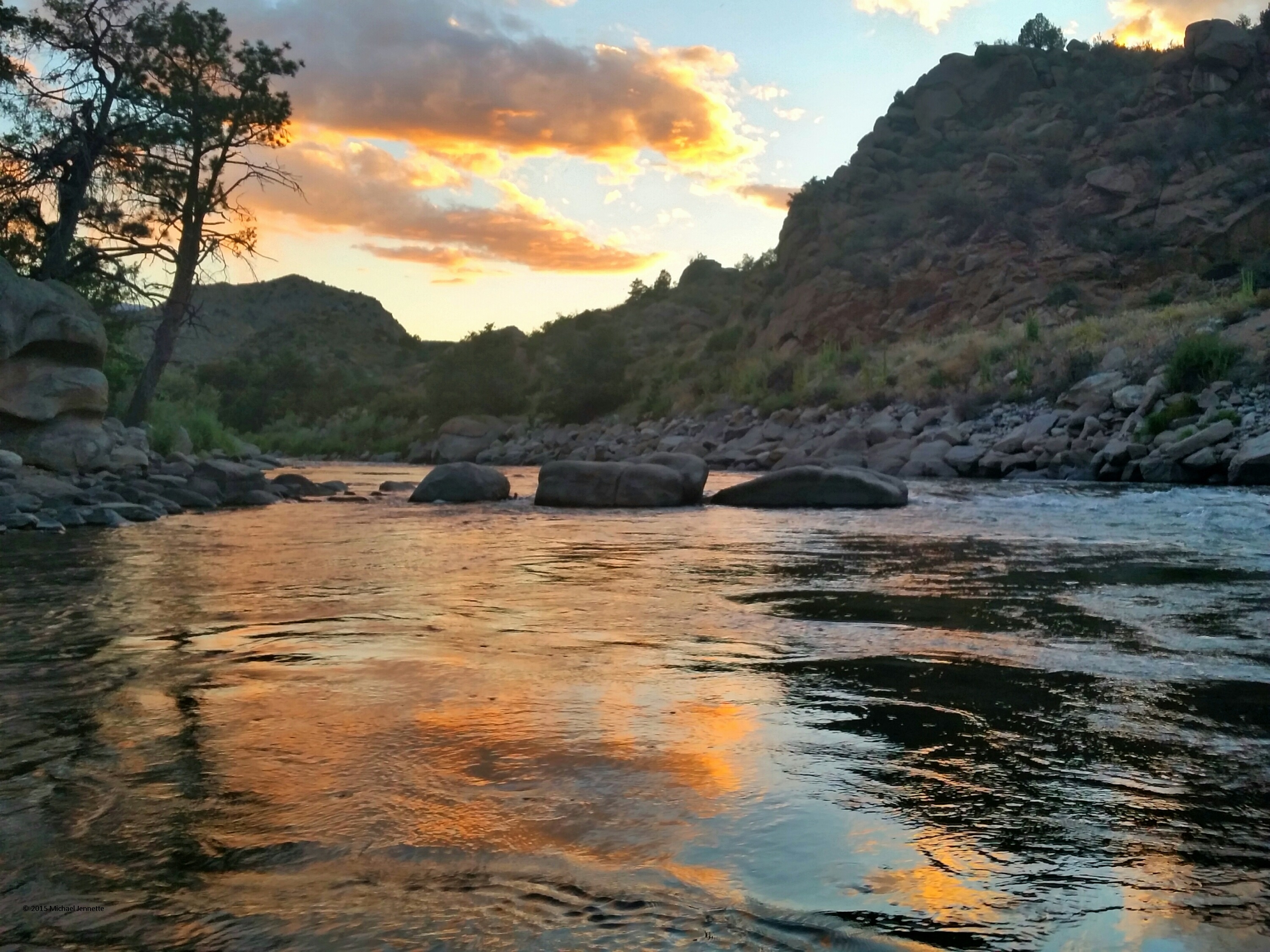
Colorado Handshake
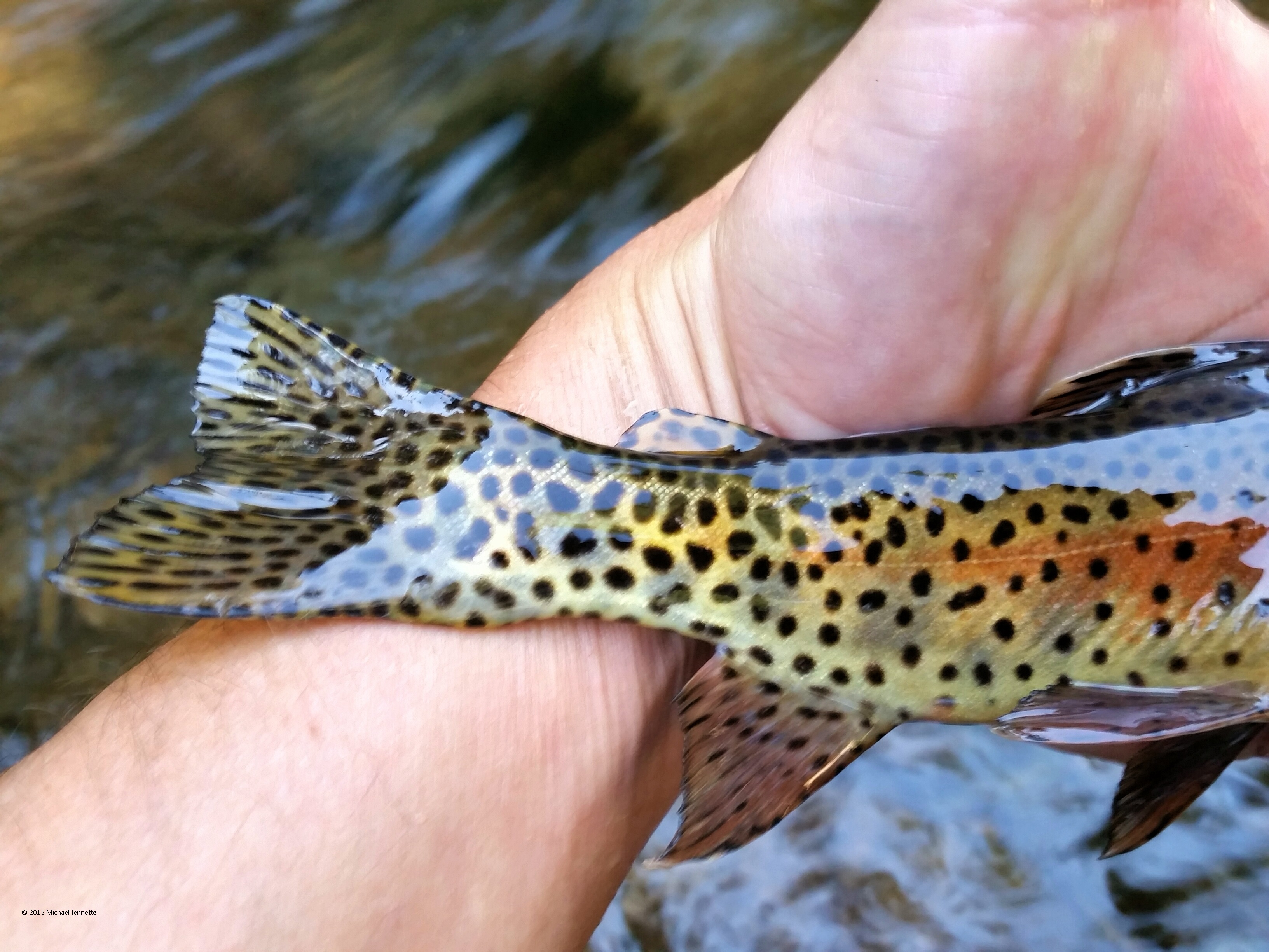
Reflections
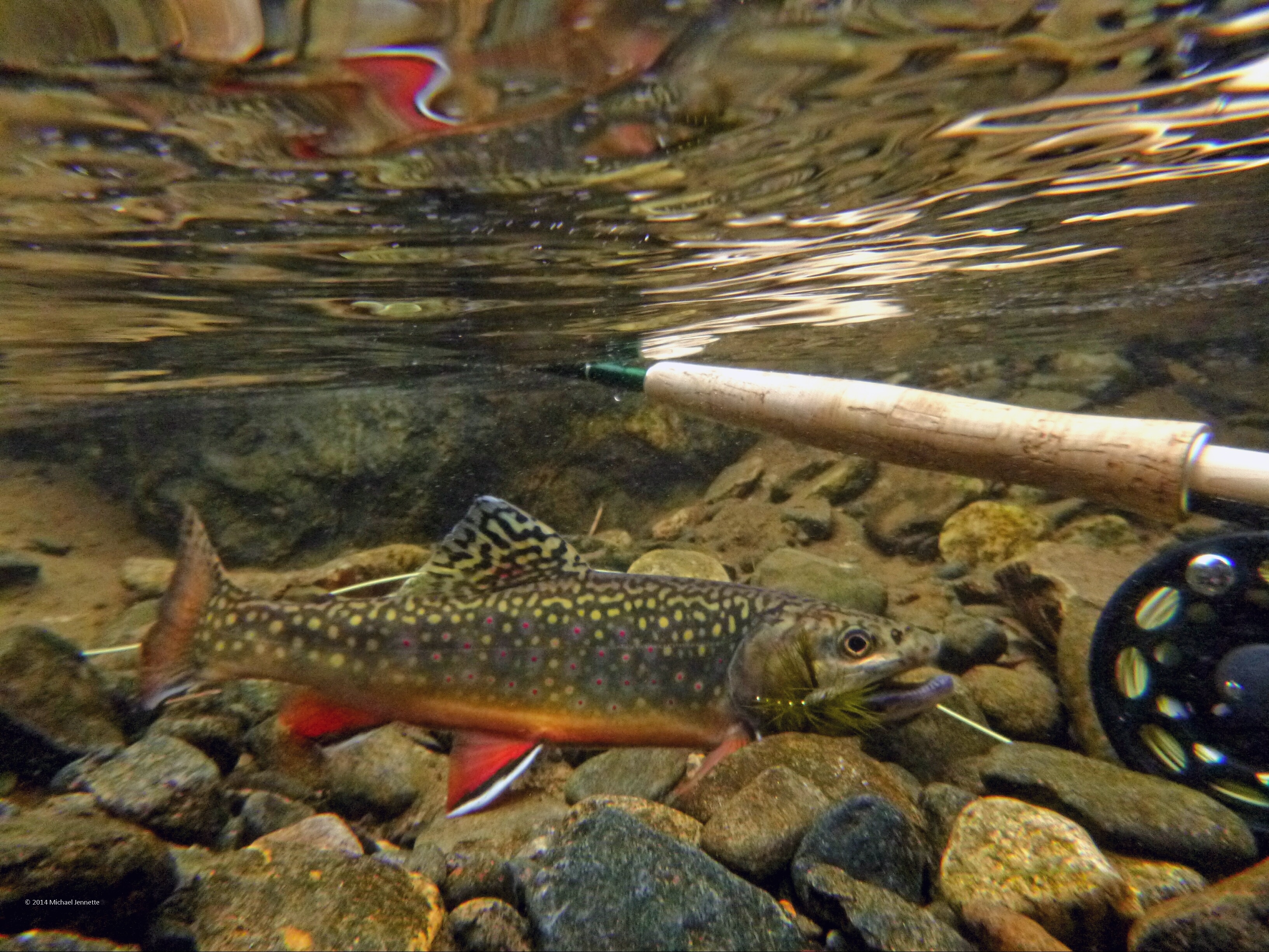
The Eye Opener
Over several years of fly fishing, my angling photography has evolved; from that first awkward selfie along the bank of Cane Creek with a kung fu grip on a poor 9 inch stocky to inspiration for my recent shot by way of advice from Catch Magazine editor Brian O’Keefe on orvis.com/news: essentially, focus your shot on the eye of the fish and be creative.

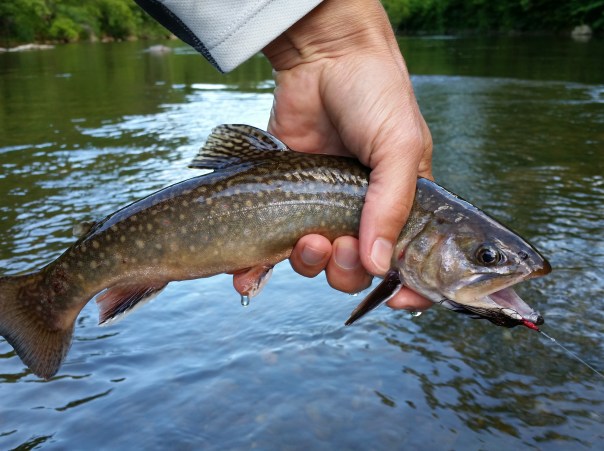
Someone might ask: why photograph small fish, they look the same for the most part? Its a question I’ve asked myself before while taking precious stream time to fumble with cameras and flopping fish amidst flowing water. I’m not sure I had an answer to that question before taking this photo of a little wild brown from a small stream below a blue ridge in western North Carolina. Somehow I “know” this little trout by seeing into her eye. I recognize her desire to feed, and grow and navigate an evolutionary destiny. Does this make me a fish-hugger, probably. Does it make me appreciate not only the outer beauty of trout but the intrinsic value of a living thing; a shared struggle with a co-inhabitant on this majestic, threatening, and threatened planet? Yes, without a doubt! I can think of no better reason to practice safer fish handling or catch-and-release in general. After all, I may know her on a different day by her unique pattern of spots punctuating a brilliant ray of sun behind tail or dorsal fin. Or, I may know her by sighting down the sheen of colorful variegations along a lateral line. One things for sure, I’ll know her like I never have before… and that’s eye opening.
Zen and the art of brook trout
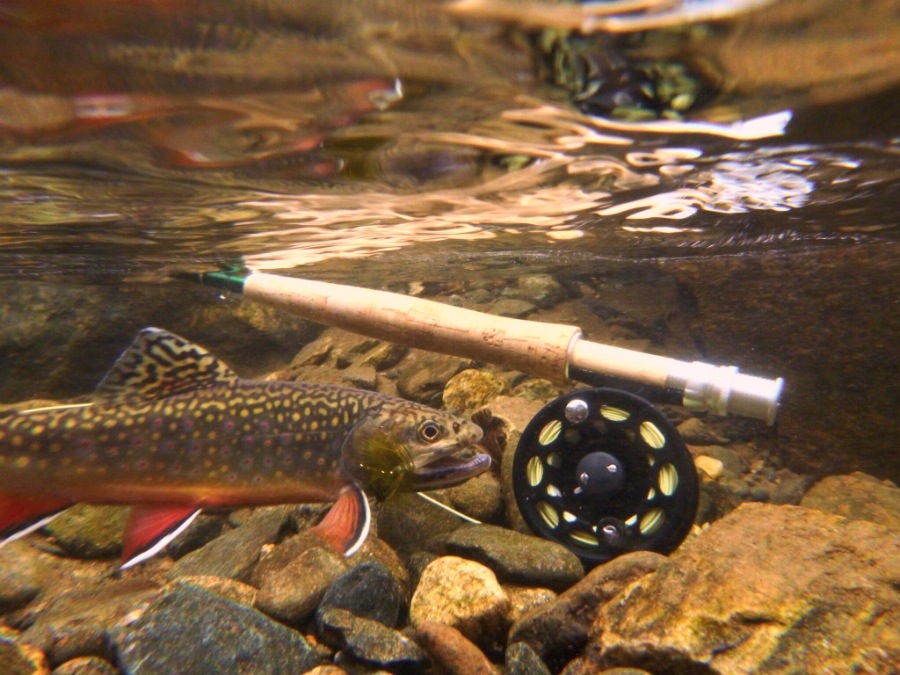
Its written amidst an eastern spiritual tradition that “enlightenment flows not upon words.” As a fly angler, you forever seek that moment in nature when words drift downstream to irrelevance…


Catch! (and RELEASE ?)
It never bothers me when someone asks me after a fishing trip how many fish did you bring back or keep. It always leads to a few comments about conservation and the beauty of the fish to answer the question of the moment. I still get the feeling, however that the point does not totally sink in or resonate among non-fishers. That’s okay, but it does lead often to the issue coming up again and I can’t help but think, just maybe that its a little dig, as if to say you spent all that time and have nothing to show for it. What kind of hunter-gatherer foregoes the gathering, do you put back all your groceries before lining up at the checkout isle? Again, that’s okay and it always makes me smile; I get the dig.
I catch it most from my father. He’s a man of practicality and was born in the depression era. He spent a good bit of his earlier life fishing for recreation with boats, gill nets, and even a self-made shrimping skiff; which I woke up on under his legs motoring out into the Pamlico Sound as the sun rose from the shimmering horizon. I watched him dress many a fish on Sunday afternoons filling coolers to share with family and friends upon returning to the country farming community. This “recreation” gave him a great sense of accomplishment and a place upon alluring waters that have spoken so profoundly to the hearts of sportsman. He was a man of the bounty of coastal waters. This is a far cry from the no-less alluring flowing mountain creeks and streams gracing the slopes of the Blue Ridge Mountains.
I was told once that “the solution to pollution is dilution” and its largely true, and while coastal fisheries have been strained by the effects of population and industry, its buffering potential is great. Alternately, the wild populations of the much smaller volume cold-water fisheries in the Appalachian range have been decimated by acid rain, runoff from erosion and toxins, and over-fishing. The wild muskie, small-mouth bass, and naturally spawning trout populations of many rivers are up there exist only in the memory of old-timers. Thankfully we have the state wildlife programs to modestly provide a link to the past, protecting remnant wild fish in the small tributaries of upper elevations and providing biannual stocking of thousands of fish in the more prominent and accessible creeks and rivers.
But I digress. Personally, trout fishing in these waters have been an here-to-fore undiscovered respite, a tonic if you will, as I have gingerly waded waters, the sounds of civilization pushed away by the emanations of the flow. In these waters lives an elusive highly adapted creature of brilliant physical form. Evolved over millennia to dance along the seams of current, feasting unrelentingly upon the equally brilliant aquatic insecta and crustacea (themselves threatened and depleted members of this delicate ecology). These fish have wonderfully honed instincts for optimizing the balance of energy expended, food intercepted, avoidance of predators and preparation to reproduce. The ultimate adaptation to this turbulent environment is a true marvel to this biologist.
Last and not least, each trout’s form and coloration are indeed striking and with experience, the fly fisherman’s unique aesthetic moment. The pictures on this blog, while pleasant and fun are but a ghost of the eye-witnessed. And there-in lies the sense of satisfaction among the ‘alluring’ waters; admittedly less satisfying to appetite, but no less imprinted upon the heart of this sportsman.
And so the pay-it-forward moment is at hand. My ‘catch’ is for this biological wonder; and for the next fisher stepping softly among the sound of riffles and in pursuit of the unique moment with a familiar friend? …release! http://www.youtube.com/watch?v=aiNriKi7uso&sns=em
In Praise of Science [and Brookies]
Science is a magnificent tool for understanding our natural history, Earth, and the cosmos beyond. Here is an example of science in rescue of our beleaguered native friend – Salvelinus fontinalis, the eastern brook trout. This article appeared in Fall 2013 issue of Trout, The Journal of Coldwater Fisheries Conservation, http://www.tu.org


 Blogafly